Argentina
- Sales tax calculation
- Withholding tax
- Statutory reporting
- Payroll Argentina (PY-AR)
What a country version contains, how many countries and languages each SAP product covers, and how e-invoicing and statutory reporting differ around the world.
At a glance
A country version — SAP now says local version or localization — adapts the standard system to one country’s laws, taxes and business practice. It has two parts:
Country-specific programs, with their Customizing and documentation.
The country’s logon language, installed only when users need it.

Already part of the standard SAP S/4HANA delivery. All of them are compatible, so Brazil, China and Turkey can run in one system.
Delivered separately, as an add-on or by an SAP partner, for countries outside the standard list. Install them before setting up the company code.
Local functions are not a separate module. Financial Accounting (FI), for example, holds the generic functions and the country-specific ones together.
Customizing that comes with a local version, ready to copy into a new company code.
Find the country’s local version and its functions in the SAP Product Availability Matrix and the release information.
Standard versions are already in the system. Add-on and partner versions are installed separately.
Only if the country’s language is not installed yet and users need it.
How many local versions and languages each SAP product supports. Bars show local versions; the number beside them is languages.
Logon languages by product, for 53 languages.
| Language | ECC | S/4HANA | Public | Private | B1 | ByD | ECC HR | SF EC | ECP |
|---|---|---|---|---|---|---|---|---|---|
| Arabic | Yes | Yes | Yes | Yes | Yes | TH SAP Translation Hub | Yes | Yes | Yes |
| Bulgarian | Yes | Yes | Yes | Yes | No | TH SAP Translation Hub | Yes | Yes | Yes |
| Catalan | Yes | Yes | No | No | No | TH SAP Translation Hub | Yes | Yes | Yes |
| Chinese (simplified) | Yes | Yes | Yes | Yes | Yes | Yes | Yes | Yes | Yes |
| Chinese (traditional) | Yes | Yes | Yes | Yes | Yes | Yes | Yes | Yes | Yes |
| Croatian | Yes | Yes | Yes | Yes | No | TH SAP Translation Hub | Yes | Yes | Yes |
| Czech | Yes | Yes | Yes | Yes | Yes | TH SAP Translation Hub | Yes | Yes | Yes |
| Danish | Yes | Yes | Yes | Yes | Yes | TH SAP Translation Hub | Yes | Yes | Yes |
| Dutch | Yes | Yes | Yes | Yes | Yes | Yes | Yes | Yes | Yes |
| English | No | No | Yes | Yes | No | Yes | No | No | No |
| English (UK) | No | No | No | No | Yes | No | No | Yes | No |
| English (US) | Yes | Yes | No | No | Yes | No | Yes | Yes | Yes |
| Estonian | Yes | Yes | No | No | No | TH SAP Translation Hub | Yes | Yes | No |
| Finnish | Yes | Yes | Yes | Yes | Yes | TH SAP Translation Hub | Yes | Yes | Yes |
| French | No | No | Yes | Yes | Yes | Yes | No | No | Yes |
| French (Canada) | No | No | No | No | No | No | No | Yes | No |
| French (France) | Yes | Yes | No | No | No | No | Yes | Yes | No |
| German | Yes | Yes | Yes | Yes | Yes | Yes | Yes | No | Yes |
| German (Germany) | No | No | No | No | No | No | No | Yes | No |
| German (Switzerland) | No | No | No | No | No | No | No | Yes | No |
| Greek | Yes | Yes | Yes | Yes | Yes | TH SAP Translation Hub | Yes | Yes | Yes |
| Hebrew | Yes | Yes | Yes | Yes | Yes | Yes | Yes | Yes | Yes |
| Hindi | Yes | Yes | No | No | No | TH SAP Translation Hub | Yes | Yes | Yes |
| Hungarian | Yes | Yes | Yes | Yes | Yes | TH SAP Translation Hub | Yes | Yes | Yes |
| Indonesian | No | No | No | No | No | No | No | Yes | No |
| Italian | Yes | Yes | Yes | Yes | Yes | Yes | Yes | Yes | Yes |
| Japanese | Yes | Yes | Yes | Yes | Yes | Yes | Yes | Yes | Yes |
| Kazakh | Yes | Yes | Yes | Yes | No | TH SAP Translation Hub | Yes | No | No |
| Korean | Yes | Yes | Yes | Yes | Yes | Yes | Yes | Yes | Yes |
| Latvian | Yes | Yes | No | No | No | TH SAP Translation Hub | No | Yes | No |
| Lithuanian | Yes | Yes | No | No | No | TH SAP Translation Hub | No | Yes | No |
| Malay | Yes | Yes | Yes | Yes | No | TH SAP Translation Hub | No | Yes | No |
| Norwegian | Yes | Yes | Yes | Yes | Yes | TH SAP Translation Hub | Yes | Yes | Yes |
| Polish | Yes | Yes | Yes | Yes | Yes | Yes | Yes | Yes | Yes |
| Portuguese | No | No | Yes | Yes | Yes | Yes | No | No | No |
| Portuguese (Brazil) | Yes | Yes | No | No | Yes | TH SAP Translation Hub | Yes | Yes | Yes |
| Portuguese (Portugal) | No | No | No | No | No | No | No | Yes | No |
| Romanian | Yes | Yes | Yes | Yes | No | TH SAP Translation Hub | Yes | Yes | Yes |
| Russian | Yes | Yes | Yes | Yes | Yes | TH SAP Translation Hub | Yes | Yes | Yes |
| Serbian | Yes | Yes | Yes | Yes | No | No | Yes | Yes | Yes |
| Serbian (Latin) | No | No | No | No | No | TH SAP Translation Hub | No | No | No |
| Slovak | Yes | Yes | Yes | Yes | Yes | TH SAP Translation Hub | Yes | Yes | Yes |
| Slovenian | Yes | Yes | Yes | Yes | No | TH SAP Translation Hub | Yes | Yes | Yes |
| Spanish | No | No | Yes | Yes | Yes | Yes | No | No | No |
| Spanish (Spain) | Yes | Yes | No | No | No | No | Yes | Yes | Yes |
| Spanish (Mexico) | No | No | No | No | No | No | No | Yes | No |
| Spanish (Latin America) | No | No | No | No | Yes | No | No | Yes | No |
| Swedish | Yes | Yes | Yes | Yes | Yes | TH SAP Translation Hub | Yes | Yes | Yes |
| Thai | Yes | Yes | Yes | Yes | No | TH SAP Translation Hub | Yes | Yes | Yes |
| Turkish | Yes | Yes | Yes | Yes | Yes | TH SAP Translation Hub | Yes | Yes | Yes |
| Ukrainian | Yes | Yes | No | No | Yes | TH SAP Translation Hub | Yes | Yes | Yes |
| Vietnamese | Yes | Yes | No | No | No | TH SAP Translation Hub | Yes | Yes | Yes |
| Welsh | No | No | No | No | No | No | No | Yes | No |
No language matches that search.
Languages with continuous support for at least one SAP Business Suite product. Not included: Farsi, only for a specific release and support package (SAP Note 981731), and Indonesian and Malay, supported for specific products only.
More languages are possible with a partner solution or with customer-specific UI terms. Malaysia, India, Indonesia, the Philippines, Singapore and South Africa use English; Luxembourg uses French or German.
TH: SAP Translation Hub translates the UI through the Language Adaptation Tool. Machine proposals carry a fixed 25% quality score and must be reviewed by language experts, for example an SAP Language Service Partner. Partners added 10 languages in July 2022.
Languages and locales of the SAP SuccessFactors suite with continuous support. See SAP SuccessFactors Languages and Locales in the SAP Help Portal.
What each local version adds to the standard system. Pick a country to see the detail.
| Country | Tax | Withholding tax | Statutory reports | E-documents | Inflation accounting | Official numbering | Banking | Payroll | Travel |
|---|---|---|---|---|---|---|---|---|---|
| Yes | Yes | Yes | No | No | No | No | Yes | No | |
| Yes | No | Yes | Yes | No | No | No | Yes | No | |
| No | No | No | No | No | No | Yes | Yes | Yes | |
| No | Yes | Yes | No | No | Yes | No | No | No | |
| Yes | Yes | No | No | Yes | No | No | No | No | |
| No | No | Yes | No | Yes | No | No | Yes | Yes | |
| No | No | Yes | No | No | Yes | No | No | No | |
| Yes | Yes | No | No | No | No | Yes | Yes | No | |
| No | No | Yes | No | Yes | No | No | Yes | No |
Source: SAP Help Portal, country versions of SAP ERP.
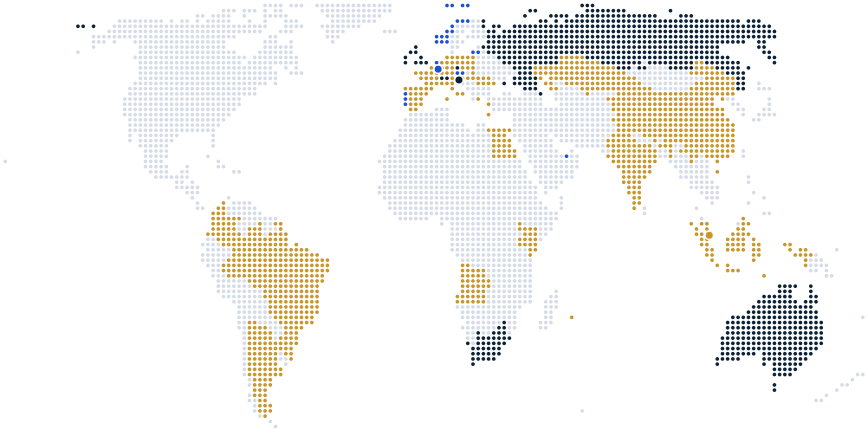
Every year more countries replace paper with electronic invoices and reports. The requirements fall into three families:
A standard file of ledger and invoice data, sent regularly or when the tax authority asks for it.
Invoices are cleared or reported to the tax authority, often in real time, before or as they are issued.
Returns, ledgers or reconciliations filed electronically, without a full invoice feed.
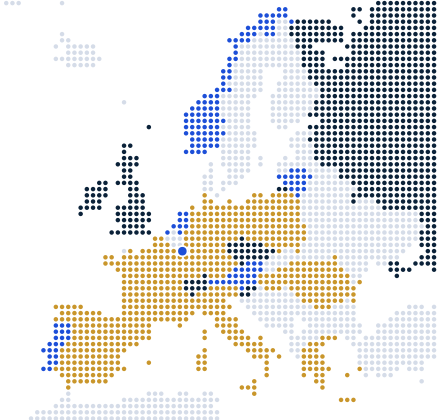
Europe, closer
| Country | Main requirement | What applies | Reviewed |
|---|---|---|---|
| AngolaAfrica | E-invoicing | SAF-T file for VAT since July 2019. E-invoicing through the tax authority (AGT) from 1 January 2026 for large taxpayers, government suppliers and large invoices, and for all VAT-registered businesses by September 2026.Source: KPMG | Oct 2026 |
| EgyptAfrica | E-invoicing | Mandatory e-invoicing, phased in from 2020: invoices are cleared in real time through the Egyptian Tax Authority’s e-invoicing portal.Source: VATit | Oct 2026 |
| KenyaAfrica | E-invoicing | eTIMS: since 1 September 2023 every business, VAT-registered or not, issues electronic tax invoices through the Kenya Revenue Authority.Source: VATit | Oct 2026 |
| South AfricaAfrica | Digital returns | SARS dropped the IT14SD reconciliation in September 2022; company verifications now ask for specific documents. A Digital VAT model with e-invoicing and e-reporting is in consultation, phased in from 2030.Source: SARS, IT14SD · SARS, VAT modernisation | Oct 2026 |
| ChinaAsia | E-invoicing | Fully digitalised e-invoices (e-fapiao): since December 2024 every taxpayer can issue invoices on the tax authority’s national platform, which numbers and validates each one. Provinces are phasing out paper invoices through 2026; the new VAT Law applies from January 2026.Source: Avalara · VATupdate | Oct 2026 |
| IndiaAsia | E-invoicing | IRN/IRP: since October 2020, B2B invoices are registered on the Invoice Registration Portal, which returns an IRN and a QR code. The turnover threshold has been INR 5 crore since August 2023; above INR 10 crore, invoices must be reported within 30 days.Source: EY · Taxmann | Oct 2026 |
| IndonesiaAsia | E-invoicing | e-Faktur: since July 2016 every VAT-registered business (PKP) issues tax invoices that the tax authority validates before use. Since January 2025 they go through the new Coretax system.Source: Sovos · Thomson Reuters | Oct 2026 |
| KazakhstanAsia | E-invoicing | IS ESF: since 2019 VAT payers issue electronic invoices registered in the State Revenue Committee’s system. The new Tax Code, in force since January 2026, keeps them and extends them to some non-VAT payers. The planned SAF-T never started.Source: Sovos · Voxel | Oct 2026 |
| MalaysiaAsia | E-invoicing | MyInvois: e-invoices are validated by the Inland Revenue Board, phased in from August 2024 (turnover above RM100 million) to January 2026. Businesses under RM3 million in sales are exempt since September 2026. The GST audit file ended with GST in 2018.Source: ClearTax · Malay Mail | Oct 2026 |
| RussiaAsia | Digital returns | No general e-invoicing mandate. The electronic VAT return carries the sales and purchase ledgers, which the Federal Tax Service matches between suppliers and buyers (ASK VAT). E-invoices are compulsory for goods under the traceability system since July 2021.Source: Federal Tax Service · EDICOM | Oct 2026 |
| SingaporeAsia | E-invoicing | InvoiceNow (Peppol): invoice data goes to IRAS for new voluntary GST registrants, companies since November 2025 and all since April 2026. All GST-registered businesses follow in stages from April 2028 to April 2031.Source: Comarch · EY | Oct 2026 |
| United Arab EmiratesAsia | Audit file (SAF-T) | FTA Audit File (FAF) on request. Peppol e-invoicing, voluntary since July 2026, becomes mandatory on 1 January 2027 for revenue of AED 50 million or more, and on 1 July 2027 for other businesses.Source: Tradeshift · Tally | Oct 2026 |
| AustriaEurope | Audit file (SAF-T) | SAF-T Austria on request, usually in a tax audit; there is no regular filing. E-invoicing is mandatory only for federal government suppliers, since January 2014. No B2B mandate before the EU’s ViDA rules in July 2030.Source: BMF · KPMG | Oct 2026 |
| Czech RepublicEurope | Digital returns | Control statement (kontrolní hlášení): since January 2016 VAT payers file an XML list of domestic invoices, monthly for companies, listing those above CZK 10,000 one by one. B2B e-invoicing is voluntary; EET 2.0 records cash and card sales from January 2027.Source: VATupdate · Fiscal Requirements | Oct 2026 |
| FranceEurope | E-invoicing | Reduced SAF-T (FEC) since 2014. B2B e-invoicing and e-reporting through State-approved platforms from 1 September 2026: every company receives e-invoices, large and mid-sized companies issue them; small companies issue from September 2027.Source: Service-Public | Oct 2026 |
| GermanyEurope | E-invoicing | Since January 2025 every business must be able to receive structured B2B e-invoices (XRechnung, ZUGFeRD). Issuing them is mandatory from January 2027 above EUR 800,000 turnover and for all from January 2028. GoBD audit data access continues.Source: Avalara · PwC | Oct 2026 |
| GreeceEurope | E-invoicing | myDATA: invoice data reaches the tax authority (AADE) in near real time. B2B e-invoicing through certified providers is mandatory since March 2026 for revenue above EUR 1 million; all other businesses follow from 2 November 2026.Source: Fiscal Requirements · SSON | Oct 2026 |
| HungaryEurope | E-invoicing | RTIR (Online Számla): invoice data goes to the tax authority (NAV) in real time, for all domestic B2B invoices since July 2020 and for B2C, intra-EU and export invoices since January 2021. Receipt data reporting began in September 2026.Source: Sovos · EDICOM | Oct 2026 |
| IrelandEurope | Digital returns | VAT returns are filed online (ROS) and, since January 2019, employers report pay to Revenue on or before each payday. VAT modernisation plans e-invoicing with real-time reporting for large companies from November 2028.Source: Revenue · Deloitte | Oct 2026 |
| ItalyEurope | E-invoicing | SdI: since January 2019 domestic B2B and B2C invoices are FatturaPA XML files cleared by the SdI platform; small and flat-rate businesses joined by January 2024. Cross-border invoices also go through SdI since July 2022.Source: VATCalc · EY | Oct 2026 |
| LithuaniaEurope | Audit file (SAF-T) | i.SAF: since October 2016 VAT payers file a monthly register of the VAT invoices they issue and receive; i.VAZ covers transport documents. A full SAF-T file is due on request. No B2B e-invoicing mandate before July 2030.Source: PwC · Avalara | Oct 2026 |
| LuxembourgEurope | Audit file (SAF-T) | FAIA (SAF-T): since January 2011 businesses with full accounts supply this audit file to the tax authority (AED) on request. B2G e-invoicing is mandatory, and a bill before parliament plans B2B e-invoicing from 2028.Source: VATCalc · Arendt | Oct 2026 |
| NetherlandsEurope | Audit file (SAF-T) | Auditfile (XAF): accounting software exports the general ledger in the standard XAF format, which the tax authority can ask for in an audit. A proposal would make B2B e-invoicing mandatory from July 2030.Source: EY · Accountancy van Morgen | Oct 2026 |
| NorwayEurope | Audit file (SAF-T) | SAF-T Financial: since January 2020 businesses with digital accounts hand over a SAF-T file in a tax audit. Issuing B2B e-invoices becomes mandatory in January 2027 where the buyer can receive them, and receiving them in January 2030.Source: Skatteetaten · KPMG | Oct 2026 |
| PolandEurope | E-invoicing | KSeF: domestic B2B invoices are issued through the national e-invoicing platform, since February 2026 for large taxpayers and since April 2026 for other VAT payers; micro-firms follow in January 2027. JPK_V7 VAT files continue.Source: EY · KPMG | Oct 2026 |
| PortugalEurope | Audit file (SAF-T) | SAF-T (PT): certified software reports invoice data to the tax authority every month, and invoices carry a QR code and ATCUD since January 2023. B2G e-invoicing applies to large companies since 2021. An accounting SAF-T is planned from 2027 or 2028.Source: Groupseres · Meridian | Oct 2026 |
| RomaniaEurope | E-invoicing | RO e-Factura: domestic B2B invoices are sent to the tax authority (ANAF) within five working days; since July 2024 only invoices in the system are valid. SAF-T (D406) is filed monthly or quarterly, phased in from 2022 to 2025.Source: VATupdate · Fiscal Requirements | Oct 2026 |
| SloveniaEurope | Digital returns | Since July 2025 VAT payers file their VAT ledgers electronically each period, to pre-fill the VAT return. Domestic B2B e-invoicing becomes mandatory on 1 January 2028, without reporting to the tax authority.Source: FURS · KPMG | Oct 2026 |
| SpainEurope | E-invoicing | SII: since July 2017 large companies, VAT groups and monthly-refund filers send invoice records to the tax authority within four working days. B2B e-invoicing starts in October 2027 for turnover over EUR 8 million, and in October 2028 for the rest.Source: Sovos · Lookuptax | Oct 2026 |
| SwitzerlandEurope | Digital returns | VAT returns are filed online with the Federal Tax Administration, for all businesses since January 2025 after a transition year, and since May 2026 through the new ESTV Portal. No B2B e-invoicing mandate.Source: ESTV · ESTV Portal | Oct 2026 |
| United KingdomEurope | Digital returns | Making Tax Digital for VAT: from April 2019 above the VAT threshold, for every VAT-registered business since April 2022. Mandatory B2B and B2G e-invoicing from April 2029.Source: Fiscal Requirements | Oct 2026 |
| AustraliaOceania | Digital returns | No audit file and no B2B e-invoicing mandate: GST is reported in periodic Business Activity Statements. Peppol e-invoicing is voluntary; federal agencies must accept it, and send and receive it automatically by December 2026.Source: Fiscal Requirements · Zone & Co | Oct 2026 |
| ArgentinaSouth America | E-invoicing | Factura electrónica: each invoice needs an authorisation code (CAE) from ARCA, formerly AFIP; mandatory for VAT-registered taxpayers since July 2015. Since the November 2025 period, VAT returns are filed in IVA Simple, pre-filled from invoice data.Source: VATupdate · Marval O’Farrell Mairal | Oct 2026 |
| BrazilSouth America | E-invoicing | Each NF-e is authorised by the tax authority before it is valid, and SPED files carry the bookkeeping and returns. From 2026, a test year, e-invoices also carry the CBS (0.9%) and IBS (0.1%) of the tax reform.Source: Contmatic | Oct 2026 |
| ColombiaSouth America | E-invoicing | Factura electrónica: DIAN validates each invoice, identified by its CUFE code, before it reaches the buyer; mandatory for all VAT-registered businesses since November 2020. Payroll, support documents and POS receipts are electronic too.Source: Sovos · Fiscal Requirements | Oct 2026 |
SAP Document and Reporting Compliance (DRC) creates, checks and submits statutory reports to the authorities on time and in the required format. It brings together what used to be Advanced Compliance Reporting (ACR) and SAP Document Compliance.

Define the reporting entity and its parameters for each company code.
Run the report for the period in the Run Statutory Reports app.
Preview the data and adjust it manually where needed.
Send the file to the authority, electronically where the country allows it.
If the report is rejected, fix the data and submit it again.
No country matches that search.
Business catalog
SAP_FIN_BC_GL_REPORTING_ARBusiness role template
SAP_BR_GL_ACCOUNTANT_ARBusiness catalog
SAP_FIN_BC_GL_REPORTING_AUBusiness role template
SAP_BR_GL_ACCOUNTANT_AUBusiness catalog
SAP_FIN_BC_GL_REPORTING_ATSAP_FIN_BC_AP_ANALYTICS_ATBusiness role template
SAP_BR_GL_ACCOUNTANT_ATSAP_BR_AP_MANAGER_ATBusiness catalog
SAP_FIN_BC_GL_REPORTING_BEBusiness role template
SAP_BR_GL_ACCOUNTANT_BEBusiness catalog
SAP_FIN_BC_GL_REPORTING_BRBusiness role template
SAP_BR_GL_ACCOUNTANT_BRBusiness catalog
SAP_FIN_BC_GL_REPORT_CABusiness role template
SAP_BR_GL_ACCOUNTANT_CABusiness catalog
SAP_FIN_BC_AP_OPER_CNSAP_FIN_BC_GL_REPORTING_CNSAP_FIN_BC_CASH_CF_CNBusiness role template
SAP_BR_AP_ACCOUNTANT_CNSAP_BR_GL_ACCOUNTANT_CNSAP_BR_CASH_MANAGER_CNBusiness catalog
SAP_FIN_BC_GL_REPORTING_COBusiness role template
SAP_BR_GL_ACCOUNTANT_COBusiness catalog
SAP_FIN_BC_GL_REPORTING_CZBusiness role template
SAP_BR_GL_ACCOUNTANT_CZBusiness catalog
SAP_FIN_BC_GL_REPORTING_DKBusiness role template
SAP_BR_GL_ACCOUNTANT_DKBusiness catalog
SAP_FIN_BC_GL_REPORTING_EGBusiness role template
SAP_BR_GL_ACCOUNTANT_EGBusiness catalog
SAP_FIN_BC_GL_REPORTING_FIBusiness role template
SAP_BR_GL_ACCOUNTANT_FIBusiness catalog
SAP_FIN_BC_GL_REPORTING_FRBusiness role template
SAP_BR_GL_ACCOUNTANT_FRBusiness catalog
SAP_FIN_BC_GL_REPORTING_HUBusiness role template
SAP_BR_GL_ACCOUNTANT_HUBusiness catalog
SAP_FIN_BC_AP_ANALYTICS_INSAP_FIN_BC_GL_REPORTING_INBusiness role template
SAP_BR_AP_MANAGER_INSAP_BR_GL_ACCOUNTANT_INBusiness catalog
SAP_FIN_BC_GL_REPORTING_IDSAP_FIN_BC_AR_TAX_REP_IDSAP_FIN_BC_AP_REPORTING_IDBusiness role template
SAP_BR_AP_MANAGER_IDSAP_BR_GL_ACCOUNTANT_IDBusiness catalog
SAP_FIN_BC_AP_ANALYTICS_IESAP_FIN_BC_GL_REPORTING_IEBusiness role template
SAP_BR_AP_MANAGER_IESAP_BR_GL_ACCOUNTANT_IEBusiness catalog
SAP_FIN_BC_GL_ACCOUNT_ILBusiness catalog
SAP_FIN_BC_GL_REPORTING_ITBusiness role template
SAP_BR_GL_ACCOUNTANT_ITBusiness catalog
SAP_FIN_BC_AP_ANALYTICS_JPSAP_FIN_BC_GL_JE_PROC_JP_PCBusiness role template
SAP_BR_AP_MANAGER_JPSAP_BR_GL_ACCOUNTANT_JPBusiness catalog
SAP_FIN_BC_GL_REPORTING_LUBusiness role template
SAP_BR_GL_ACCOUNTANT_LUGST was replaced by SST in September 2018, so the two GST reports only matter for old periods.
Business catalog
SAP_FIN_BC_GL_REPORTING_MLBusiness role template
SAP_BR_GL_ACCOUNTANT_MLBusiness catalog
SAP_FIN_BC_GL_REPORTING_MXSAP_FIN_BC_AP_REPORTING_MXBusiness role template
SAP_BR_GL_ACCOUNTANT_MXSAP_BR_AP_ACCOUNTANT_MXBusiness catalog
SAP_FIN_BC_GL_REPORTING_NLBusiness role template
SAP_BR_GL_ACCOUNTANT_NLBusiness catalog
SAP_FIN_BC_AR_REPORTING_NOSAP_FIN_BC_AP_REPORTING_NOSAP_FIN_BC_GL_REPORTING_NOBusiness role template
SAP_BR_AR_ACCOUNTANT_NOSAP_BR_AP_ACCOUNTANT_NOSAP_BR_GL_ACCOUNTANT_NOBusiness catalog
SAP_FIN_BC_GL_REPORTING_PHSAP_FIN_BC_AP_ANALYTICS_PHBusiness role template
SAP_BR_GL_ACCOUNTANT_PHSAP_BR_AP_MANAGER_PHBusiness catalog
SAP_FIN_BC_GL_REPORTING_PLSAP_FIN_BC_AP_ANALYTIC_PL_PCBusiness role template
SAP_BR_GL_ACCOUNTANT_PLSAP_BR_AP_MANAGER_PLBusiness catalog
SAP_FIN_BC_GL_REPORTING_PTBusiness role template
SAP_BR_GL_ACCOUNTANT_PTBusiness catalog
SAP_FIN_BC_GL_REPORTING_RUBusiness role template
SAP_BR_GL_ACCOUNTANT_RUBusiness catalog
SAP_FIN_BC_GL_REPORTING_SASAP_FIN_BC_AP_ANALYTICS_SABusiness role template
SAP_BR_GL_ACCOUNTANT_SASAP_BR_AP_MANAGER_SABusiness catalog
SAP_FIN_BC_GL_REPORTING_SGBusiness role template
SAP_BR_GL_ACCOUNTANT_SGBusiness catalog
SAP_FIN_BC_GL_REPORTING_ZABusiness role template
SAP_BR_GL_ACCOUNTANT_ZABusiness catalog
SAP_FIN_BC_GL_REPORTING_KRSAP_FIN_BC_AP_ANALYTICS_KRSAP_FIN_BC_CM_CF_KRBusiness role template
SAP_BR_GL_ACCOUNTANT_KRSAP_BR_AP_MANAGER_KRSAP_BR_CASH_MANAGER_KRBusiness catalog
SAP_FIN_BC_GL_REPORTING_ESSAP_FIN_BC_AP_ANALYTICS_ESBusiness role template
SAP_BR_GL_ACCOUNTANT_ESSAP_BR_AP_MANAGER_ESBusiness catalog
SAP_FIN_BC_GL_REPORTING_SEBusiness role template
SAP_BR_GL_ACCOUNTANT_SEBusiness catalog
SAP_FIN_BC_GL_REPORTING_CHBusiness role template
SAP_BR_GL_ACCOUNTANT_CHBusiness catalog
SAP_FIN_BC_GL_REPORTING_TWBusiness role template
SAP_BR_GL_ACCOUNTANT_TWBusiness catalog
SAP_FIN_BC_GL_REPORTING_THSAP_FIN_BC_AP_REPORTING_THBusiness role template
SAP_BR_GL_ACCOUNTANT_THBusiness catalog
SAP_FIN_BC_GL_REPORTING_TR_PCBusiness role template
SAP_BR_GL_ACCOUNTANT_TRBusiness catalog
SAP_FIN_BC_GL_REPORTING_AEBusiness role template
SAP_BR_GL_ACCOUNTANT_AEBusiness catalog
SAP_FIN_BC_GL_REPORTING_GBSAP_FIN_BC_AP_ANALYTICS_GBBusiness role template
SAP_BR_GL_ACCOUNTANT_GBSAP_BR_AP_MANAGER_GBBusiness catalog
SAP_FIN_BC_AP_ANALYTICS_USBusiness role template
SAP_BR_AP_MANAGER_USBusiness catalog
SAP_FIN_BC_GL_REPORTING_VEBusiness role template
SAP_BR_GL_ACCOUNTANT_VEEach report opens its page in the SAP Help Portal for the latest SAP S/4HANA release.
Every new system around the ERP — a procurement suite, an online shop, an expense tool, an acquired company — creates invoices and tax data that must still reach the ledger and, more and more, the tax authority.
Tax as a Service (TaaS)
Tax calculation and compliance run by an external cloud service connected to SAP. In SAP S/4HANA Cloud it is scope item 43D, Tax Service Integration.
Legal requirement
What the law demands: e-invoicing, e-reporting and their deadlines.
Business requirement
What the business gains: control, speed, better data.
Cost and time
Licences, integration and the project needed to make it work.
Software that anyone can buy is not a strategy by itself, but chosen and integrated well it gives a company an edge over its competitors.
Scope items are SAP Best Practices: preconfigured business processes you select when scoping SAP S/4HANA. Which ones are available depends on the country. Items marked in gold handle tax and legal reporting.
J58Accounting and Financial Close1GAAccounting and Financial Close – Group Ledger IFRS2FDAccounting for Incoming Sales Orders1J2Advanced Compliance ReportingJ62Asset Accounting1GBAsset Accounting – Group Ledger IFRSBFHAsset Under Construction1GFAsset Under Construction – Group Ledger IFRS1GOCash Journal1GIGeneral Ledger Allocation CycleBEJInventory Valuation for Year-End Closing1ZTManaging Material Price Changes and Inventory ValuesBF7Period-End Closing – Maintenance OrdersBEIPeriod-End Closing – Plant2VBPurchase Order Accruals2QYSAP Fiori Analytical Apps for Asset AccountingBGCSAP Fiori Analytical Apps for G/L Accounting1J2Advanced Compliance Reporting3AFGroup Account Preparation for Financial Consolidation2U6Group Reporting – Data from External Systems287Group Reporting – Data from Group Reporting Data Collection1SGGroup Reporting – Financial Consolidation28BGroup Reporting – Plan ConsolidationJ60Accounts PayableJ59Accounts Receivable19OAutomated Dynamic Discounts with SAP Ariba Discount Management1MVCash Application Integration2UVCombined Invoice – Goods and Service Items2UTComplementary Invoice – Pricing19WContingent Workforce Invoice Processing via SAP Fieldglass1S0Customer Payments2UWDelivery of Goods on Behalf of Another Company1S2Digital Payments2RPElectronic Documents2M0External Customer Payments2LZExternal Digital Payments1J5Invoice, Taxes and Complementary Postings2PDProvisioning of Overdue Receivables2JBSAP Fiori Analytical Apps for Financial Accounting43DTax Service Integration1QMAdvanced Credit ManagementBD6Basic Credit Management2I3Commitment Management1HBFinancial Plan Data Upload from FileBEVInternal Order – Actual1KULeveraging SAP RealSpendJ55Margin AnalysisJ54Overhead Cost AccountingBEGStandard Cost Calculation2QLUniversal Allocation2OHContinuous Control Monitoring with SAP Process Control1WCEmbargo Control2U2Key Risk Indicator Monitoring with SAP Risk Management1W8Legal ControlJ77Advanced Bank Account ManagementJ78Advanced Cash Operations19OAutomated Dynamic Discounts with SAP Ariba Discount Management2O0Bank Fee Management1EGBank Integration with File Interface16RBank Integration with SAP Multi-Bank ConnectivityBFABasic Bank Account ManagementBFBBasic Cash OperationsYour vote could not be sent. Please try again.